Where Crappie Go After the Spawn (They Didn’t Vanish)
“They were here last week!” Every crappie angler has said it. The spawn ends, the shallow pockets that were loaded go empty, and it feels like the fish left the lake. They didn’t. Post-spawn crappie follow a predictable retreat, and once you know the route, the toughest weeks of spring become some of your best. This fits into the full seasonal sequence in our complete crappie fishing guide.
What Actually Happens After the Spawn
Post-spawn runs roughly from the upper 60s to the mid 70s °F. Spawned-out fish don’t teleport to the middle of the lake. They retreat in stages, reversing the pre-spawn migration.
First stop: the same structure they staged on before the spawn. The brush at the mouth of the cove, the channel swing, the deeper docks. Then, over a few weeks, they slide progressively toward their summer haunts.
That’s the whole secret: if you fished the pre-spawn, you already know where to look. Go back to those spots.
Why the Bite Gets Tough
For a week or two, fish are recovering, scattered and moody. Females especially feed lightly at first. It’s the toughest bite of the spring, and it’s normal. Then appetite returns and fish settle into early-summer patterns.
How to Fish Post-Spawn Crappie
- Slow down and back off. Work the 8 to 15 foot structure next to the spawning areas.
- Go vertical or slow-troll. Vertical jigging or slow-trolled presentations keep the bait in front of fish that won’t chase.
- Downsize and dead-stick. Drop to a 1/32 oz jig with a subtle body and hold it still. Crappie eat the pause, the settle and the dead hang, not the snap.
- Keep the bait at or above the fish. Crappie feed up and almost never dive for a bait. Two feet below the school is invisible.
- Tip the jig with a minnow when fish look but don’t eat. It’s the best tough-day rig in crappie fishing.
Want the whole crappie year on one page? Crappie Fishing Mastery includes printable seasonal cheat sheets for every water temperature, plus the seven core techniques step by step.
The Post-Spawn Cheat Code: Shade
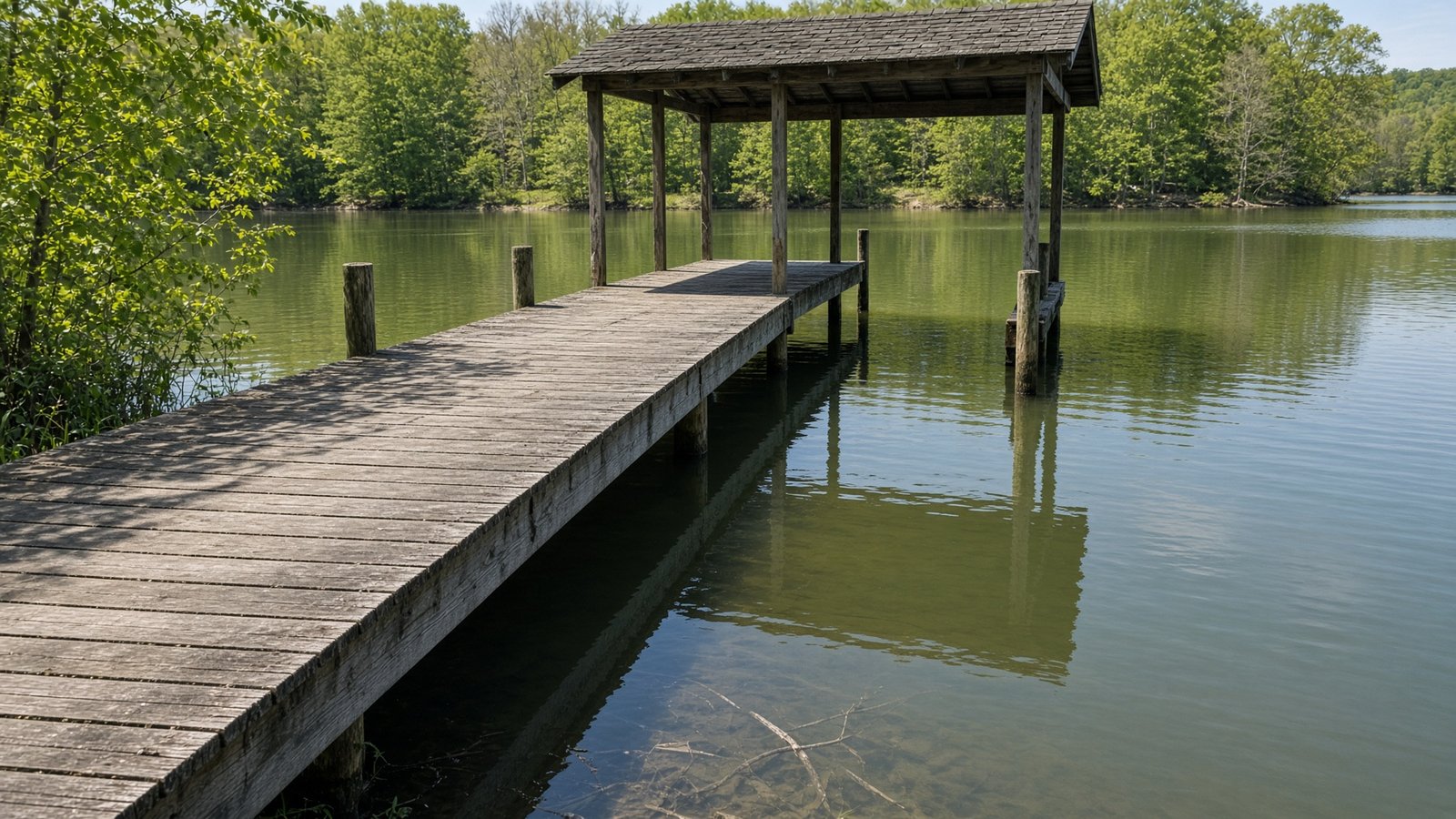
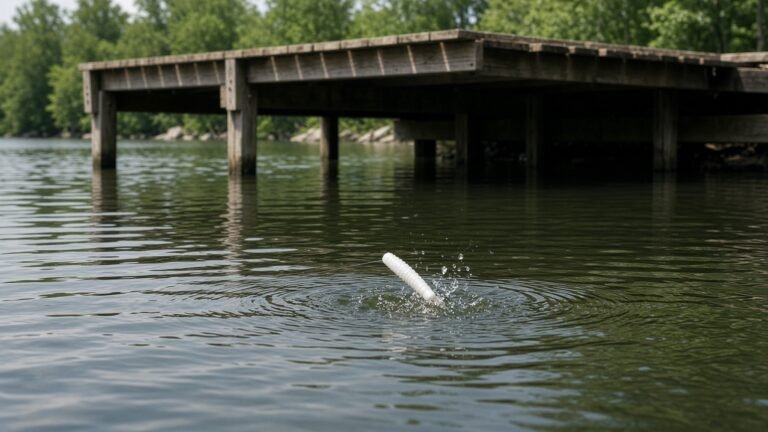
Docks shine right now. Post-spawn crappie stack under pontoons and dock walkways where shade, cover and food meet. That’s why dock shooting turns the worst weeks of spring into some of your best days, and why the midday shade bite under docks is the best window of this period.
Not every dock is equal. Rank them by four things:
- Depth: docks with 6 feet of water or more under them fish far more of the year.
- Shade footprint: wide pontoons, walkways and boat lifts beat skinny posts.
- Age: old wooden docks collect decades of algae, invertebrates and, often, sunken brush.
- Isolation: one good dock on an empty stretch concentrates fish; one dock in a row of fifty spreads them out.
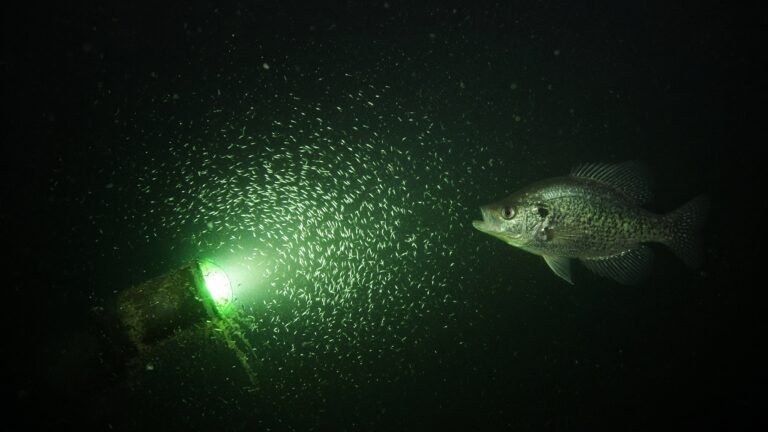
Bonus tell: rod holders, fish lights or a cleaning table mean the owner fishes, and dock owners who fish sink brush. Our step-by-step guide to dock shooting for crappie shows you how to reach the back of those docks, where the fish are.
Where They Go Next
As the water warms into summer, crappie settle on deeper structure: brush piles at 12 to 25 feet, channel ledges and bridge pilings, just above the thermocline in lakes that stratify. Their feeding shifts to dawn, dusk and after dark, which is when night fishing under lights takes over.
Until then: fish the pre-spawn spots in reverse, slow down, and shoot the docks.
Go deeper with Crappie Fishing Mastery. It’s the complete system this article comes from: an instant PDF download that works on your phone, tablet and computer. Nothing ships, and every future update is free.
Tight lines,
— David
One Comment
Comments are closed.