How to Catch Flathead Catfish: Live Bait, Cover and Night
If you’ve fished stink bait in a river full of flatheads and never caught one, the problem isn’t the river. Flathead catfish are a completely different animal from channel and blue cats. They’re predators that hunt live prey, they hide in the heaviest cover, and they mostly come out at night. Fish them that way and they’re catchable. Here’s how, from our complete catfish fishing system.
Catfish Fishing Mastery: the complete system this article comes from, as an instant PDF. Get the guide — $17
Know the Fish
Flatheads are easy to recognize: a flat, broad head, mottled yellow-brown to olive coloring, a protruding lower jaw, and a square tail, not a forked one. They typically run 5 to 30 lbs, and fish over 50 lbs are trophies.
Three traits drive everything about how you fish for them:
- They eat live prey. Flatheads hunt live fish, crawfish and other live prey, and rarely touch cut bait or stink bait the way channel and blue cats do.
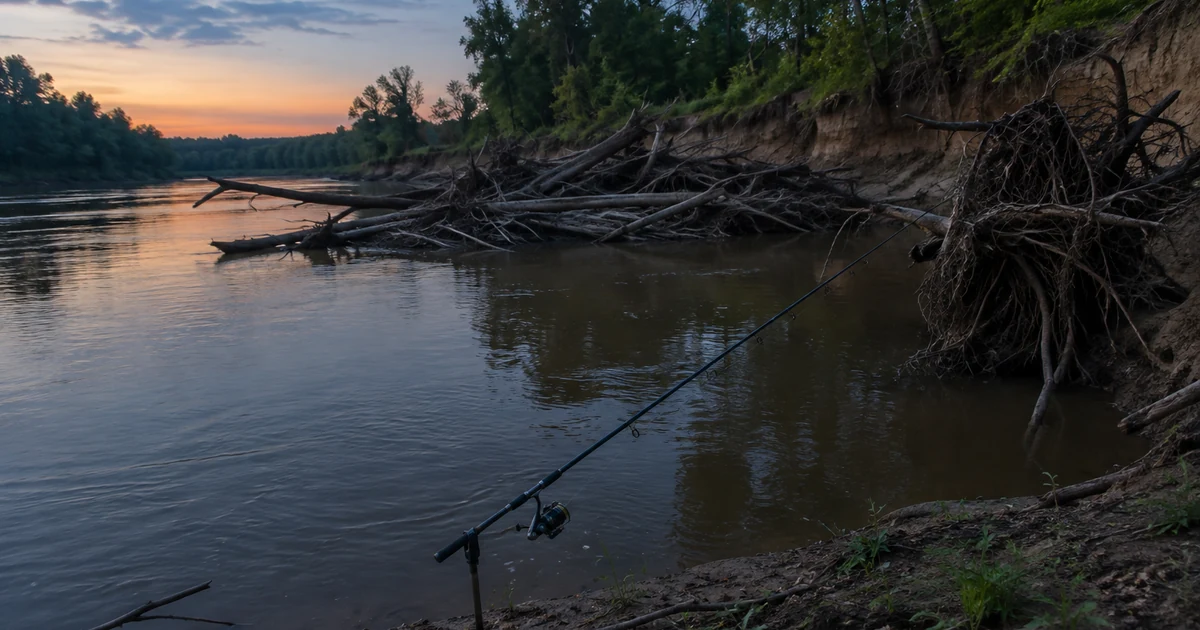
- They live in cover. Deep holes with submerged logs, root wads, rock piles and undercut banks. They’re solitary and territorial.
- They’re nocturnal. Flatheads stay tucked into cover most of the day and come out at night to ambush prey.
Live Bait Is Close to Mandatory
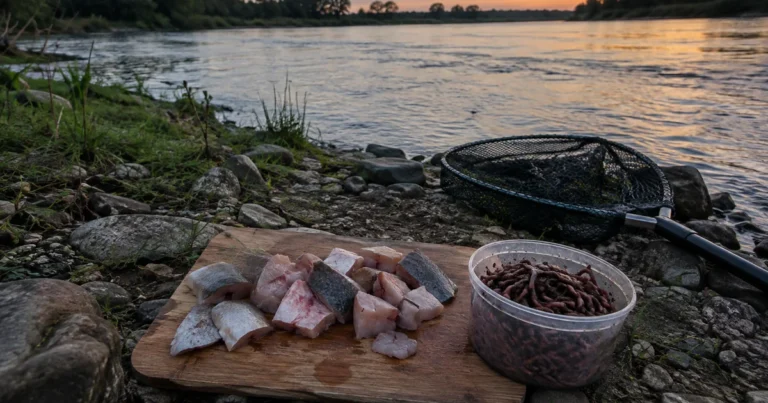
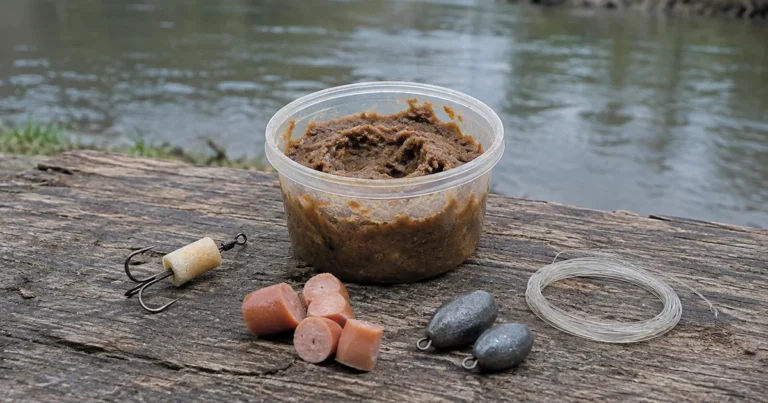
This is the single most common flathead mistake. If you’re using stink bait and getting bites, you’re probably catching channel cats and bullheads while the flatheads in the same water ignore you. For consistent flathead success, use live bait. Our guide to the best catfish bait for each species covers the other species if you want a mixed night.
- Live bluegill or other small panfish, where legal. A top flathead bait. Many states restrict using gamefish as bait, so check your rules first.
- Live crawfish, especially in rocky rivers and creeks where crawfish are natural forage.
- Shiners and other live baitfish.
For a trophy flathead, go big: a 6 to 8 inch live baitfish or a large live crawfish.
Hooking it right
- Hook baitfish through the lips or just below the dorsal fin so they keep swimming naturally.
- Hook crawfish through the tail section.
- Keep your bait lively with an aerator or frequent water changes. Flatheads key on the movement and vibration of a healthy baitfish, and a half-dead one loses most of its appeal.
Where to Find Flatheads
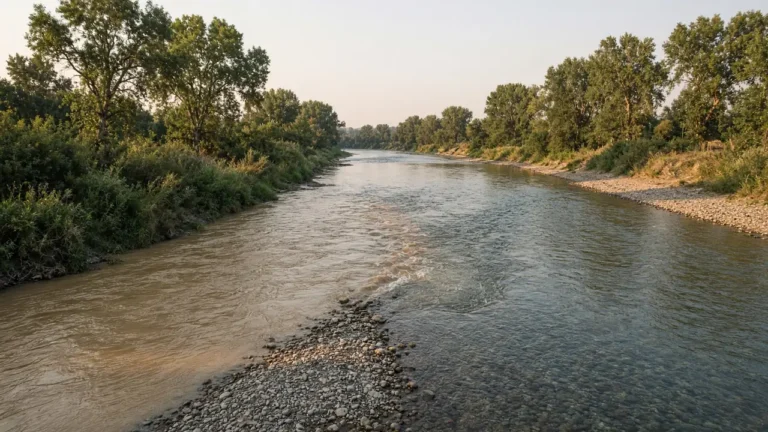
Look for the heaviest, most complex cover you can safely fish: log jams, root wads, deep rock piles and undercut banks, in or next to deep holes. In rivers, the deep hole on the outside of a bend with wood in it is classic flathead water. Our guide to where catfish hold in a river shows how to read the rest of the river.
The biggest flatheads tend to hold the best cover in the least-pressured water. A spot that takes a longer walk or boat ride to reach often holds a bigger share of the trophies.
Rig and Tackle
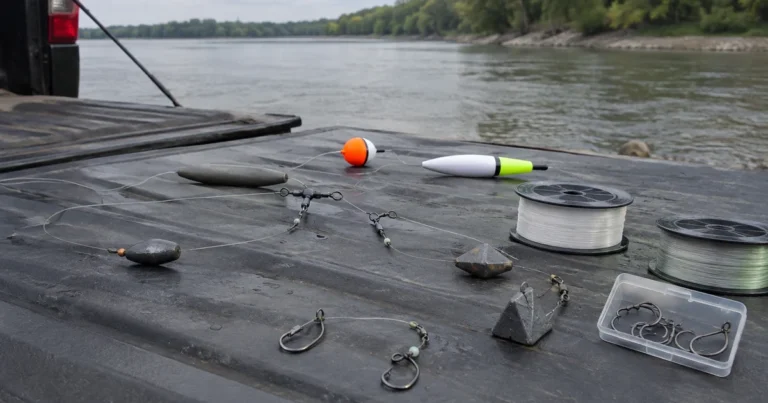
- Slip float rig: suspend a lively baitfish just above the cover. It keeps the bait out of the snags and in front of the fish.
- Slip sinker rig: put the bait right at the edge of the structure.
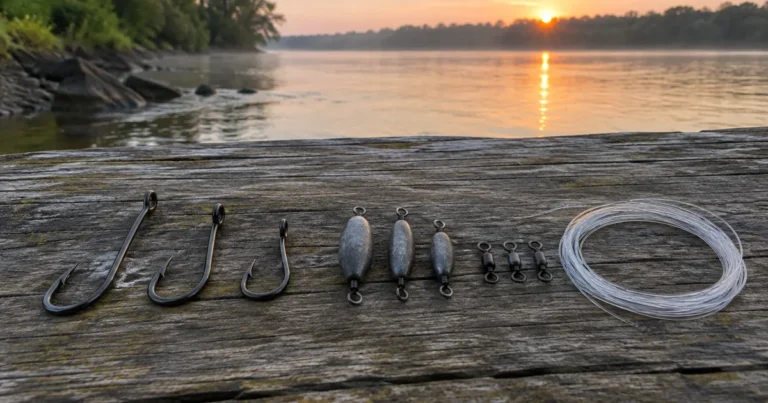
- Hooks: 4/0 to 7/0 wide-gap circle hooks. Go a little bigger than you think. An undersized hook often misses when a big flathead inhales a live bait.
- Tackle: stout gear that can take control right away. A hooked flathead in heavy cover will try to wrap your line around the wood. For big fish, use a heavy rod rated for 4 to 8 oz, a reel with 20 lb or more of drag, and 50 to 80 lb braid with a heavy leader.
Fish After Dark, and Be Patient
Live bait near heavy cover, at night: that’s the formula. Set up before dark, get your baits in position, and wait.
Patience matters more with flatheads than with any other catfish. They don’t roam looking for food like channel cats and blues. They ambush from their spot, so the right spot fished correctly will produce, even if it takes longer. Give a good flathead spot at least 30 to 45 minutes, and longer if you’re after a trophy. Constant moving can mean leaving just before the bite.
Night fishing from shore works as well for flatheads as it does from a boat. See our guide to night bank fishing for catfish for the setup.
Setting the Hook and Landing the Fish
- Don’t swing on a circle hook. When the rod loads up and stays loaded, reel steadily into the fish.
- Set your drag before you fish, at roughly 25 to 33 percent of your line’s breaking strength.
- Keep the rod up at about 45 degrees, let the drag handle hard runs, and gain line during the pauses.
- Stay patient at the end. Most big fish are lost right at the bank or boat when the angler applies too much sudden pressure.
- Use a cradle for fish over 25 lbs, and have it ready before the fish gets close.
Big flatheads take many years to grow. Support them horizontally, keep them out of the water less than a minute, and revive them before release.
Check the Rules
Flathead fishing brings up a few regulated methods. Using live panfish as bait is restricted in many states. Noodling, catching flatheads by hand, is illegal in many states and tightly restricted in others. Check your state’s current rules before you try either.
Tight lines,
— David


One Comment
Comments are closed.