Crappie Fishing Tips: 12 Fixes When They Won’t Bite
When crappie won’t bite, the lake is rarely dead. Almost every slow day comes down to a handful of fixable mistakes: bait under the fish, a jig that moves too much, wrong depth for the season, or bites you never see. Below are the twelve crappie fishing tips from our complete crappie fishing system that fix them, plus a seven-question checklist to run on the water.
Crappie Fishing Mastery: the complete system this article comes from, as an instant PDF. Get the guide — $17
Fixes When You Get No Bites at All
1. Raise your bait above the fish
This is the most common error. Crappie look up to feed and won’t drop down. If your graph shows marks and you get nothing, bring the bait up a foot and keep it there. Fishing blind, start high in the water column and work down, never the other way around.
2. Move after fifteen minutes
Crappie travel in schools, so a spot with no bites usually holds no fish. Fifteen minutes of proper work is the limit (five minutes per hole on ice). A spot that was great last week means nothing today.
3. Fish the depth for the water temperature
Shallow banks in August and deep brush during the spawn both produce nothing. Take the water temperature and ask which stage of the migration the lake is in. Warming means fish moving in and up. Hot means deep or shaded. Cooling means mid-depth creek arms. Cold means deep basins. When the water is falling through the 70s, our fall crappie guide shows where they go.
4. Find the bait first
A perfect brush pile with no baitfish nearby is usually empty. Look for bait clouds on the graph, or dimpling minnows and diving birds with your eyes. No bait, keep moving. This matters most in fall and winter.
5. Quiet down before the first cast
If you catch one right away and then nothing, or see fish scatter as you arrive, you spooked them. Run the trolling motor on low, don’t bang the hull, cast past the target, keep your shadow off the water and never park on top of the school.
Fixes When They Look but Won’t Eat
6. Stop working the jig so hard
Fish that follow, flash and turn away are telling you to calm down. Crappie take the pause and the settle, not the snap. Slow your retrieve until it feels wrong, then cut it in half. Vertical, hold dead still for about twenty seconds at a time.
7. Change depth before you change lures
Fourteen color changes at one dead brush pile won’t fix a location problem. Go through the order: location, then depth, then speed, then size, then color. Color comes last. Once the first four are right, use our jig color selector.
8. Go lighter on everything
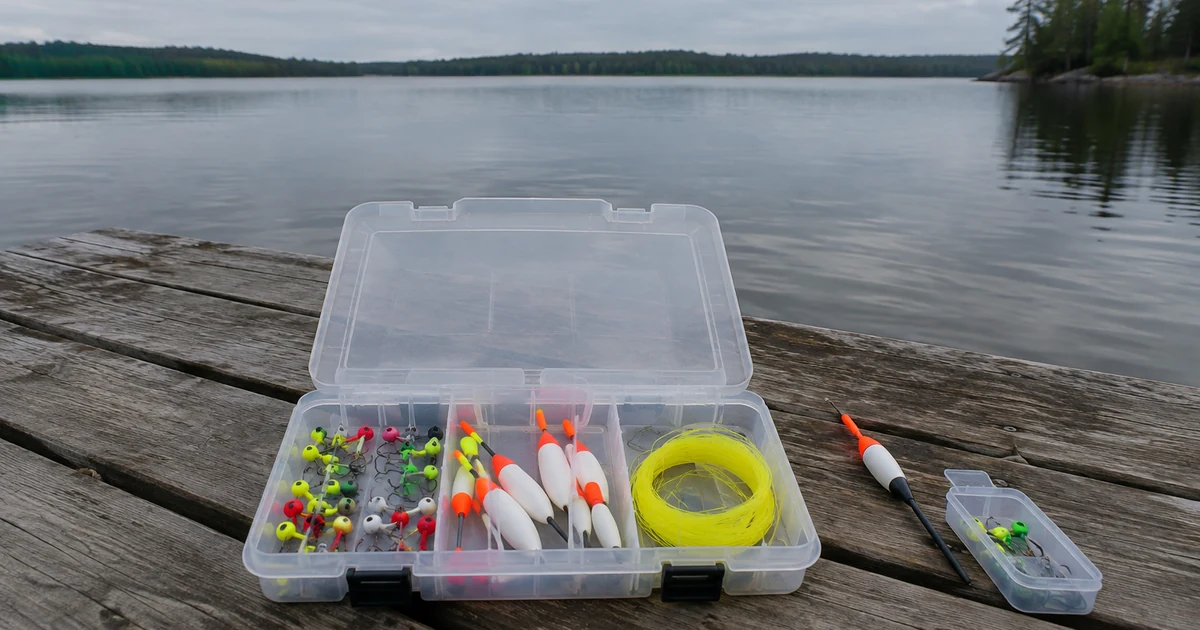
10 lb line, 1/4 oz heads and a float big enough to hold up a canoe will cost you bites. Light line lets a small jig fall slowly and naturally, and the fall is part of the presentation. Go back to 4 to 6 lb line, 1/32 to 1/16 oz jigs and a float a crappie can pull under without feeling it.
Fixes When You Get Bit but Don’t Land Fish
9. Watch the line, not the rod
Nipped tails and minnows that keep “falling off” mean you are getting bites and not seeing them. Use high-visibility line and watch where it enters the water. Strike on a tick, a sideways slide, sudden slack or a jig that suddenly feels weightless. On a float, strike when it shivers or lies flat, not only when it goes under. A false strike costs you nothing.
10. Lift, don’t swing
A big bass hookset tears a crappie’s thin mouth. Use sharp light-wire hooks, a firm lift and smooth, steady pressure. If fish come off at the boat, you probably pumped the rod or had no net. Slide the net under the fish in the water and lift the net, not the line.
Two more quick fixes from the field:
- On live bait the float drops and you miss: you struck too soon. Count a slow two, then lift.
- Short strikes that never commit: hook the minnow through the tail so it pulls away, or drop to a smaller jig.
Fixes for Tough Conditions
11. Fish the post-front day the right way
After a front you get a bright blue sky and fish that tuck tight into the cover. Don’t quit and don’t fish yesterday’s pattern. Get tighter to cover, go one zone deeper, use the smallest jig you have, tip it with a minnow, fish dead slow and target the warmest part of the afternoon. On a day like that, eight fish is a good result.
Also check the waterline. Rising water pulls fish shallow into fresh flooded cover. A one-foot drop can empty shallow cover in a day. If the lake looks off-color and smells in fall, it’s turnover. It lasts a week or two, so fish shorter trips and shallower until it passes.
12. Keep a log
Without notes, every trip starts from zero. Record the date, water temperature, level, clarity, front status, spots, depth, technique and results. It takes one minute in a phone note. After one season you have a pattern map of your lake.
Catching the Wrong Fish
- Only small ones all day: go a foot deeper, then tighter to the cover. If neither works in five minutes, leave. That school is all small fish.
- You want size, not numbers: fish old, sparse brush instead of fresh, dense piles. Fewer bites, bigger fish.
- Wrong species every cast: you may be on the wrong cover. Black crappie favor clear water and weeds. White crappie favor wood and stained water.
The 7-Question Diagnostic
On a blank day, run these in order before you touch your tackle box. They are sorted by how often each one turns out to be the problem.
- Am I in the right depth zone for the water temperature?
- Is there bait here? If not, move now.
- Is my bait at or above the fish?
- Am I slow enough? Cut the speed in half and add pauses.
- Am I tight enough to the cover?
- Am I seeing the bites?
- Fifteen minutes and nothing changed? Go to the next spot and start over.
The same list works from shore. If you fish without a boat, pair it with our bank fishing guide for crappie and keep moving between stops.
Frequently Asked Questions
Why are crappie not biting even though I see them on my graph?
Your bait is most likely below them. Crappie feed upward and rarely drop down for a bait, so even two feet under the school is too deep. Bring the bait up to their level or a foot above and hold it there.
Should I change jig colors when crappie stop biting?
Color is the last thing to change. Work through location, depth, speed and size first. A single depth adjustment usually does more than a box full of colors.
Why do I keep losing crappie on the way in?
A hard bass-style hookset or pumping the rod tears the thin mouth. Use a firm lift, keep smooth steady pressure and net the fish in the water. Fish lost right at the boat usually mean no net or too much rod pumping.
What should I do after a cold front for crappie?
Fish tighter to cover and one depth zone deeper. Use your smallest jig, slow down, tip it with a minnow, and aim for the warmest part of the afternoon. Expect fewer fish than usual and keep fishing correctly anyway.
Tight lines,
— David