Fall Bass Fishing: Follow the Shad Through Three Temperature Phases
Fall is many experienced anglers’ favorite season: aggressive fish, reachable depths and fast lures. As water cools from summer highs back through the 60s and into the 50s, bass enter their most aggressive feeding period of the year. The whole season comes down to one rule from our complete bass fishing system: find the shad and other baitfish, and the bass will be within striking distance.

Bass Fishing Mastery: the complete system this article comes from, as an instant PDF. Get the guide — $17
What changes through the fall is where the bait is. It moves in three phases, and each phase is set by water temperature, not by the date on the calendar.
Before You Start: Check the Water, Not the Calendar
Fall is a front, not a date. It rolls south lake by lake at the speed of cool nights. A lake up north can be deep into fall while a Southern reservoir is honestly still in summer, weeks apart from one end of the country to the other.
A $10 thermometer, or the temperature readout on your electronics, checked every trip, fixes it. If your water still reads in the 80s, run the summer program without apology: dawn and dusk shallow, shade and depth at midday. Our summer bass fishing guide covers that daily schedule. Your fall opener is the week the water slides out of the 80s after the first real string of cool nights.
Phase 1: Early Fall, the Bait Heads for the Creeks
As the water starts cooling, shad begin moving from the main lake into the creek arms, and bass follow. This is a transition: the fish are on the move, and the best spots are the ones the bait passes through.
- Where: creek arm mouths and the points where shad are transitioning from the main lake into the creek.
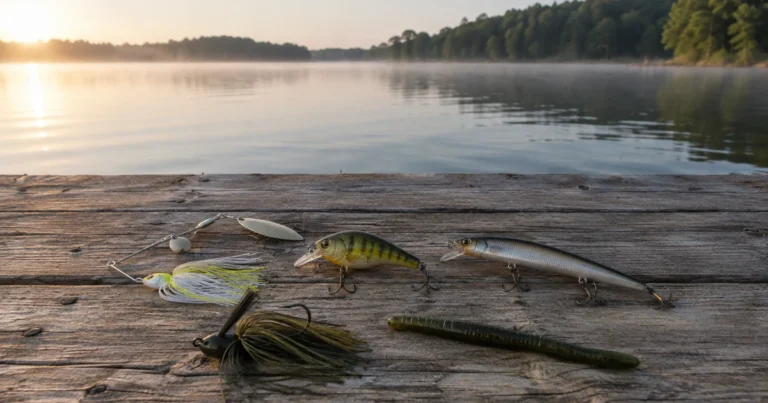
- Lures: lipless crankbaits, swim jigs and medium-diving crankbaits in shad colors.
Keep an eye on the wind. A bank that has taken wind all day has been collecting bait all day, and in fall that bait is exactly what the bass are hunting. We explain why in why bass stack on the windblown bank.
Phase 2: Mid-Fall, the Backs of the Creeks Fill Up
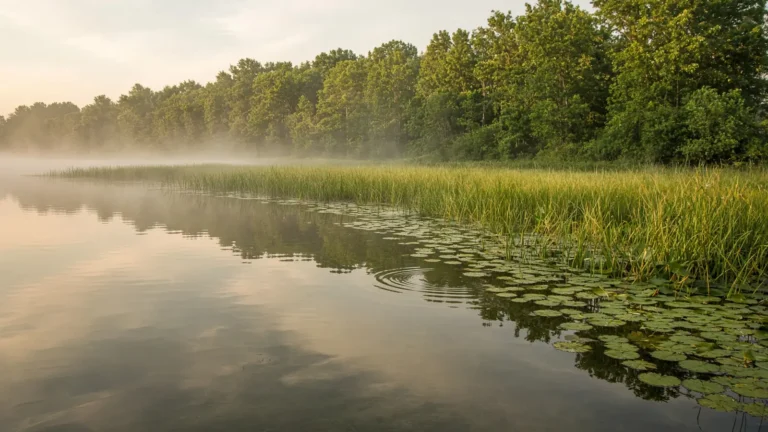
Next comes the full migration into the creek backs. The shallow flats at the back of the creeks can hold enormous numbers of fish, and they’re feeding hard. This is the fast-lure window of the year: spinnerbaits, swimbaits and lipless crankbaits, fished to cover water.
Two things make the difference in this phase:
- Match the bait size. This year’s shad are often only 2 to 3 inches long. If you’re getting short strikes and swipes that don’t stick, don’t change spots; change size. Downsize to match the juvenile bait.
- Match the color. Shad patterns dominate: chrome and blue, white and silver, pearl.
Birds are free scouts in fall. Gulls, terns and herons locate bass feeding on baitfish, and following them to the activity is a legitimate and highly effective tactic.
Phase 3: The Cold Snap Switch Below 58°F
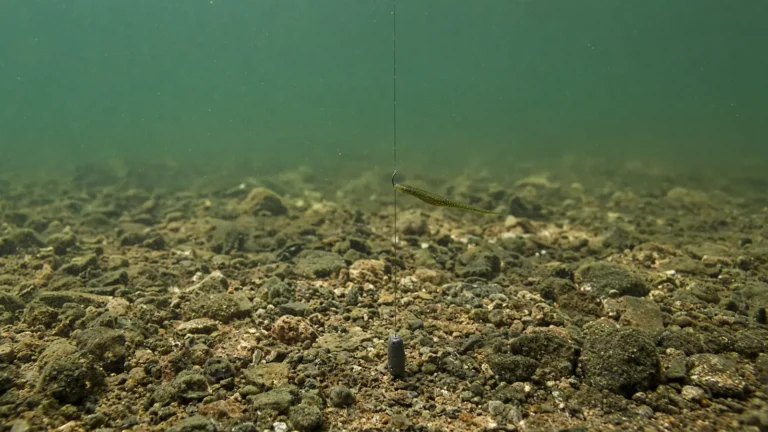
When the water drops below 58°F, the pattern changes abruptly. Swap the speed lures for jigs, Texas rigs and medium-diving crankbaits. The bites get less aggressive, but the quality of the fish improves.
The first cold snap of fall that drops the water 5 degrees or more often triggers some of the best bass fishing of the entire year within 24 to 48 hours. The bait feels it first: shad start ganging up and sliding toward the creeks and pockets. So follow the bait, not the bank. Any area holding visible baitfish is a target.
A fall cold snap is not the same thing as the bluebird day after a hard cold front, when bass tighten up and stop chasing. If that’s what you’re facing, read how to fish bass after a cold front.
The Shad Kill: Stay All Day
During rapid fall cold fronts, threadfin shad can die in massive numbers. Dying shad draw feeding bass to the surface in large, chaotic schools, and it’s some of the most exciting fishing of the year. If you find dying bait flickering on the surface, stay all day. The year’s easiest feeding frenzy has a short calendar.
When Fall Ends
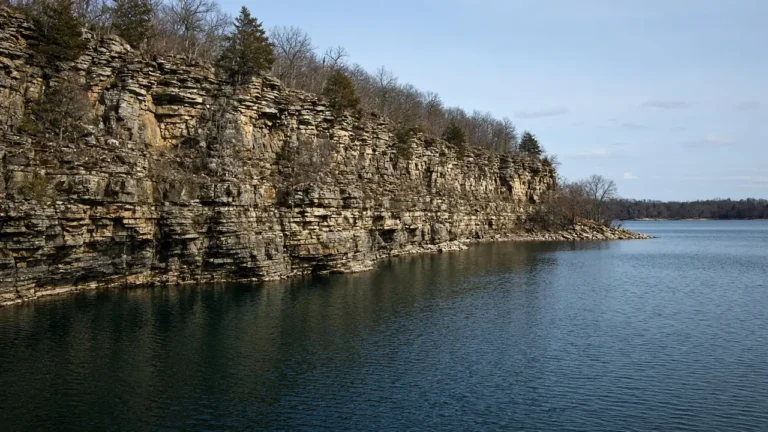
The fall shad pattern ends abruptly when the water drops below 52°F to 55°F. Bass move toward deeper, more stable structure, and for a few weeks you can catch them with either fall or winter tactics depending on the day. Once the water keeps falling, it’s time to fish slow and deep.
Fall Quick Reference
- Water in the 80s: still summer. Dawn, dusk, shade and depth.
- Early fall: creek mouths and transition points. Lipless, swim jig, medium crank in shad colors.
- Mid-fall: creek backs and shallow flats. Spinnerbait, swimbait, lipless. Downsize to the local shad.
- Below 58°F: jigs, Texas rigs, medium divers. Fewer bites, better fish.
- Below 52°F to 55°F: the shad pattern is over. Transition to deeper structure.
Tight lines,
— David