Catfish Fishing Tips: 6 Mistakes Costing You Fish
Most slow catfish days aren’t bad luck. They come down to one of six fixable mistakes: the wrong bait for the species, a pretty spot instead of a productive one, dull hooks, the wrong hookset, the wrong depth for the season, or leaving too soon. The catfish fishing tips below fix each one, using the same rules as our complete catfish fishing system, then add the small habits that put more fish in the boat.

Catfish Fishing Mastery: the complete system this article comes from, as an instant PDF. Get the guide — $17
Mistake 1: Using the Wrong Bait for the Species
The problem: you fish stink bait or dough bait for flatheads, get nothing, and decide there are no flatheads in the lake.
The fix: match bait to species.
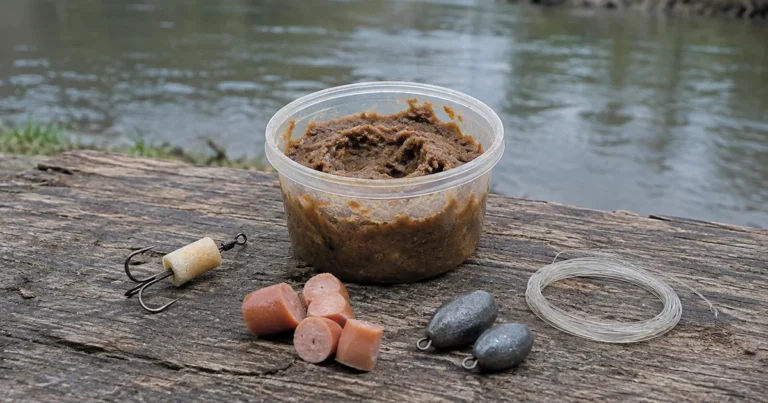
- Channel cats: cut bait, stink bait, dough bait, chicken liver.
- Blues: fresh-cut shad or skipjack herring.
- Flatheads: live bait, nearly every time.
- Bullheads: worms, small cut bait, a dab of stink bait.
If stink bait gets bites but never the fish you want, you’re probably catching channel cats and bullheads while the flatheads ignore you. Our guide on how to catch flathead catfish shows the live bait approach.
Mistake 2: Fishing Pretty Spots Instead of Productive Ones
The problem: you pick a spot because it’s scenic, easy to reach, or just looks fishy.
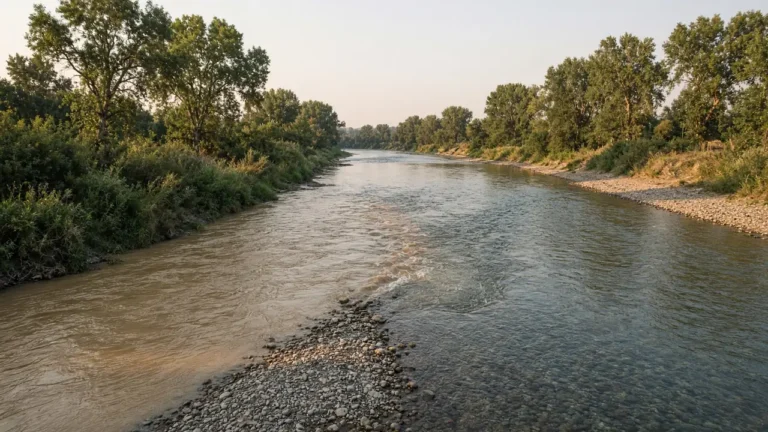
The fix: run a checklist instead of a gut feeling. Look for current breaks, confluences, channel edges and depth changes. A plain-looking bank can sit on structure you can’t see from the surface. Clues you can spot from shore:
- A steep bank drops into deep water faster than a gentle slope.
- A visible line between muddy and clearer water often marks a drop-off or a current seam.
- Nervous, scattering minnows or shad mean predators are working nearby.
On rivers, start with the spots in our guide to where catfish hold in a river.
Mistake 3: Fishing Dull Hooks
The problem: you miss fish on bites that felt solid, again and again, with no obvious reason.
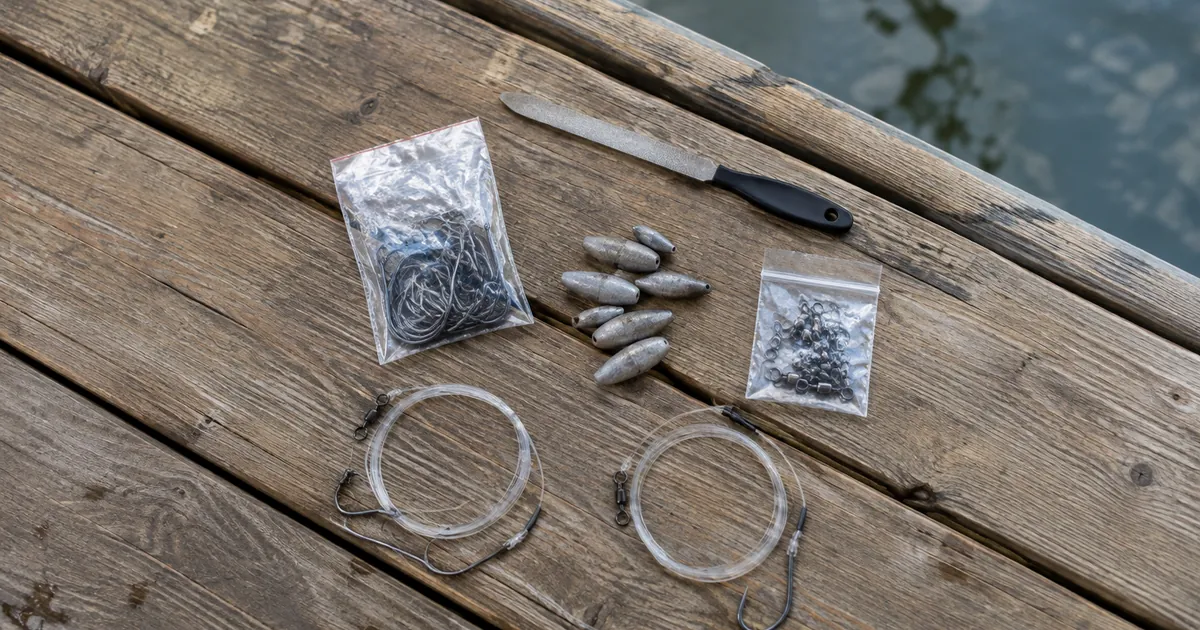
The fix: test every hook before every trip. Drag the point lightly across your thumbnail. A sharp hook grabs and won’t slide. A dull one skates across. If it slides, sharpen it or replace it. Hooks that bounced off rocks, landed a few fish, or sat in the box all season are duller than you think. Keep a hook file in your kit.
While you’re at it, size up rather than down. A catfish has a big mouth for its body, and a hook that’s too small is more likely to be swallowed deep or to bend on a big fish than a large hook is to scare off a bite.
Mistake 4: Setting the Hook Wrong for Your Hook Type
The problem: you yank on a circle hook and rip it out before it can turn, or you set a J-hook too softly and the fish mouths the bait and drops it.
The fix:
- Circle hook: no hookset. When the rod loads up and stays loaded, reel steadily into the fish and let the hook slide into the corner of the mouth.
- J-hook: a firm, well-timed snap of the rod tip, smooth rather than violent.
Light taps first are normal. The catfish is testing the bait with its barbels. Wait for the steady pull.
Mistake 5: Fishing the Wrong Depth for the Season
The problem: fishing shallow on a hot summer afternoon, or on winter flats, because that’s where you always fish.
The fix: check the water temperature and set your depth by it, not by habit.
| Season | Water temp | Where to fish |
|---|---|---|
| Spring | 55 to 70°F | Shallow to mid (3 to 10 ft on lakes) |
| Summer | 70 to 85°F | Deep by day (15 to 30+ ft), shallow at dusk and night |
| Fall | 50 to 70°F, falling | Mid-depth: points and secondary channels |
| Winter | Below 50°F | Deepest water available |
Go by temperature, not the calendar. A warm spring can push fish shallow weeks early, and a late cold front can send them back deep.
Mistake 6: Leaving a Good Spot Too Soon
The problem: moving after 10 or 15 minutes without a bite, even at a spot with real structure.
The fix: give a good spot at least 30 to 45 minutes, and longer for flatheads or trophy fish. Flatheads are territorial ambushers, not roamers, so the right spot fished correctly will produce eventually. Blues are the other way around: they roam, so if a blue spot is dead after 30 to 45 minutes, try the next one.
The Best Pro Tips That Fix the Small Stuff
- Daytime only? Choose stained or muddy water over clear. If clear water is your only choice, fish the first and last hour of light or deep, shaded structure.
- Aim the rod tip slightly downstream or across the current, never straight upstream. Less line belly, and light bites show on the tip.
- Re-tie the braid-to-leader knot every 4 to 6 trips, sooner after several fish or heavy rock.
- Wet every knot before the final pull. A dry knot heats up and loses strength.
- Pre-tie 4 or 5 of each rig at home and store them in small zip bags. A snag then costs seconds, not minutes.
- Slit the skin side of cut bait before hooking it. Scent leaks out faster, which helps in slow water.
- Keep live bait lively with an aerator or frequent water changes. A half-dead baitfish gives off far less of the vibration flatheads key on.
- For trophies, one big bait beats several small ones. Big fish won’t spend energy on a snack.
- Mark your line with a marker or a bit of tape at a measured cast length, so you can hit a productive distance again.
- Start new rivers at a confluence or a current break near a deep bend.
Bank anglers get one more edge: after dark, boat traffic and pressure fall off while catfish feed harder. Our night bank fishing setup for catfish covers bite alarms, lights and rod placement.
Frequently Asked Questions
Why does my bait keep disappearing without a hookset?
Usually small fish or non-target species like sunfish and carp are picking it apart, or the bait is too soft and loosely hooked. Wrap soft baits like liver in pantyhose, or go to a bigger bait that small fish cannot strip.
How do I know if I’m fishing deep enough?
Start with the seasonal depth chart: shallow in spring, deep by day in summer, mid-depth in fall, deepest water in winter. Then test several depths at once with multiple rods and let the bites tell you.
Do I need different gear for blue catfish?
Not for smaller blues. As the fish get bigger, heavy trophy tackle matters more, because undersized gear loses fish and drags out fights so long that the fish may not survive release.
Tight lines,
— David