Bass Fishing Tips: 25 Field Rules, Grouped by Job
The best bass fishing tips aren’t secrets. They’re small habits that stack up: a sharp hook, the right bank, a longer pause, one more cast before dark. Here are 25 field rules from our complete bass fishing system, grouped by the job they do, so you can find the one you need while you’re on the water.
Bass Fishing Mastery: the complete system this article comes from, as an instant PDF. Get the guide — $17
Gear Rules: Fix the Free Stuff First
More good bass are lost to a locked drag, a dull point or a sloppy knot than to the wrong lure. These rules cost nothing but a few minutes before you leave.
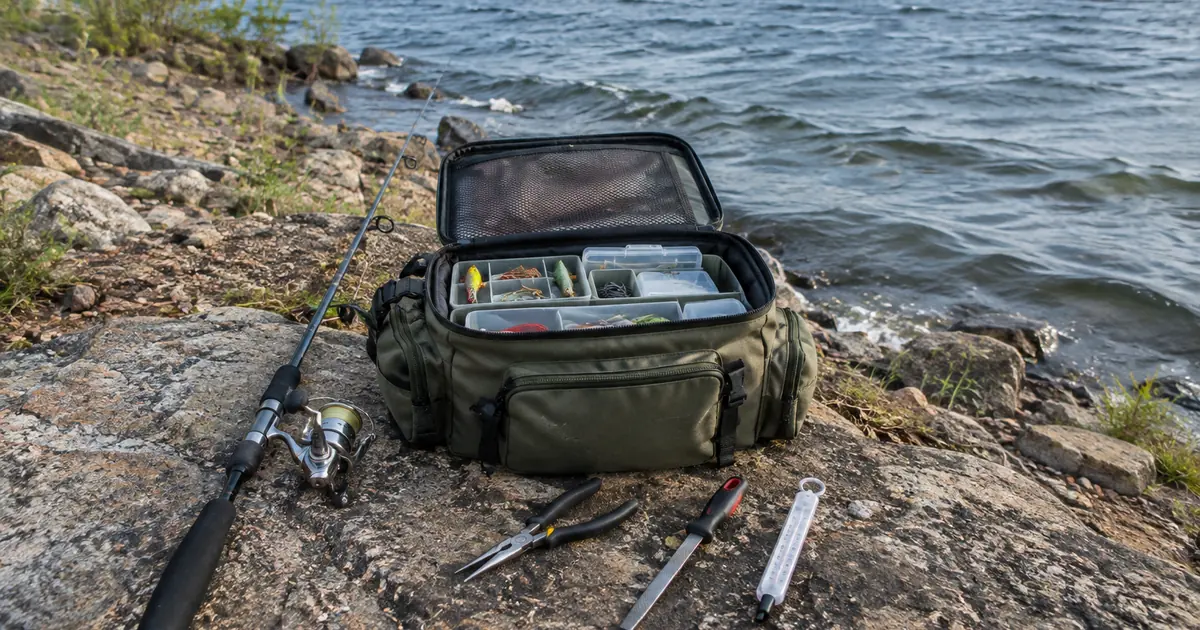
- 1. Test every hook on your thumbnail. Drag the point lightly across your nail at a 45-degree angle. A sharp hook grabs; a dull one slides. Touch it up with a carbide hook file, 3 to 5 strokes per side, and check again after fishing rock or concrete. Keep the file in your shirt pocket, not buried in the bag.
- 2. Set your drag to 25 to 30 percent of the line’s rating. That’s 4 to 5 pounds on 15 lb fluorocarbon. Check it every session, because drag washers compress and the setting drifts.
- 3. Wet every knot before you pull it tight. Retie anything that has been through a hard day. Most knot failures come from knots that were tied right but never fully tightened.
- 4. Respool at the start of each season. Old line holds coils, loses strength and hides bites. New line is cheap insurance.
- 5. Match the line to the technique. Monofilament floats, so it’s your topwater line. Fluorocarbon sinks and nearly disappears, so it suits clear water and slow presentations. Braid has zero stretch and belongs in heavy cover. Worry about visibility only in clear water with slow baits.
Location Rules: Pick the Right Water
- 6. Fish the thermometer, not the calendar. Your lake enters a new season when the water temperature changes, and that can be weeks apart from one region to another. Check the number every trip.
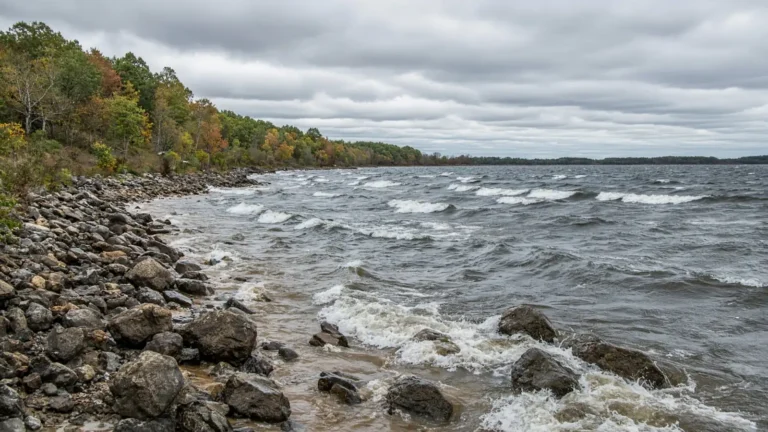
- 7. Fish the windy bank. Wind pushes food onto it all day. Casting into the wind is annoying; the bait and the feeding fish are on that side. Here’s why bass stack on the windblown bank.
- 8. Look for the one thing that’s different. A lone piece of cover on otherwise bare water usually beats a long bank full of the same cover.
- 9. Fish the shaded side in sunshine. Bass hold in shade and ambush from it, and shade moves as the day goes on.
- 10. Chase rising water right away. When the lake comes up after heavy rain, bass move into newly flooded bushes and timber almost immediately.
- 11. Want bigger fish? Go deeper or more isolated. If you keep catching small ones, move to deeper water or to more complex, out-of-the-way cover. Big bass rarely share a feeding spot with crowds of small fish.
Timing Rules: Be There When They Eat
- 12. Go hard in the first 90 minutes of light. Use your most aggressive lures then. That window can outproduce the next six hours combined.
- 13. Stay for the last 30 minutes. The final half hour of daylight is a feeding window. Keep a moving lure tied on and fish it until you can’t see.
- 14. Read the barometer. After 12 hours or more of falling pressure, fish fast search lures. When pressure jumps after a cold front, switch to slow finesse presentations and lower your expectations. Our cold front bass fishing guide covers that tough day in detail.
- 15. Fish right after a storm passes. Once the lightning has moved on, the first hours after a thunderstorm are often excellent: the pressure shifts, the water cools and fresh oxygen gets bass feeding.
Presentation Rules: Put It Where They Live
- 16. Cast past the target, never at it. Pick a landing spot 6 to 10 feet beyond the cover and swim the lure by it. Food doesn’t drop onto a predator’s head.
- 17. Retrieve parallel to the cover. Crankbaits, spinnerbaits and swimbaits get more bites running along a dock or grass edge than crossing it.
- 18. Use the lightest weight that still touches bottom. A lighter weight falls more naturally and draws more bites. Go heavier only when wind, depth or cover make you.
- 19. Make your crankbait hit something. Bump bottom or cover on every cast, and keep the rod tip low and to the side. If you never snag, you’re not deep enough.
- 20. Lengthen the pause before you change lures. Most bass commit while a jerkbait, swimbait or soft plastic sits still. When bites stop, stretch the pause first.
- 21. In cold water, slow down by 30 percent, then by 30 percent again. Cold bass need a lure in front of them for a long time before they commit. More on that in winter bass fishing.
Hookset Rules: Turn Bites Into Fish
- 22. Match the hookset to the rig. Texas rig and jig: sweep up. Topwater: sweep sideways. Drop shot: reel down, then sweep up.
- 23. On topwater, wait for the weight. Never strike at the splash. Bass often miss a surface lure on the first try, so feel the fish before you set.
Reading-the-Fish Rules: When They Look but Don’t Eat
- 24. Followers and short strikes are catchable fish. If a bass follows the lure to the bank and turns away, speed up and add a rip or a sudden change of direction; if it still follows, go smaller and more natural. If bass nip the tail without getting hooked, shorten the lure, add a trailer hook or downsize.
- 25. After a catch, cast right back, then multiply it. Bass often school, so the first fish is rarely alone. Then write down where it came from (depth, cover, retrieve, conditions) and run every similar spot on the lake. Fish the pattern, not the place.
Frequently Asked Questions
What is the most important bass fishing tip?
Fish the right place. Location matters more than technique, and the best spots are where the shape of the bottom (a point, a drop-off, a channel edge) meets cover like rock, wood or grass. A so-so cast to the right spot beats a perfect cast to empty water.
Why do I keep losing bass after I hook them?
Check three things first: a dull hook, a hookset that comes too late, and a drag set too loose. Then look at your knots, since most lost fish break off at a knot that wasn’t fully tightened. If a bass jumps right after the hookset, keep your rod low and apply side pressure to bring it back down.
How long should I fish one spot before moving?
Give a piece of cover your best 3 to 5 casts from your best angle, try one different angle, then move. Stay longer only when you know fish are there, from your electronics or past experience. From the bank, about 15 minutes per spot with a search lure is a good clock.
Do scents help catch bass?
A little garlic or anise scent on soft plastics can help in cold, clear water, when a reluctant bass is holding the lure and deciding. Scent doesn’t replace a good presentation, but it can be the difference with a hesitant fish.
Tight lines,
— David